

|
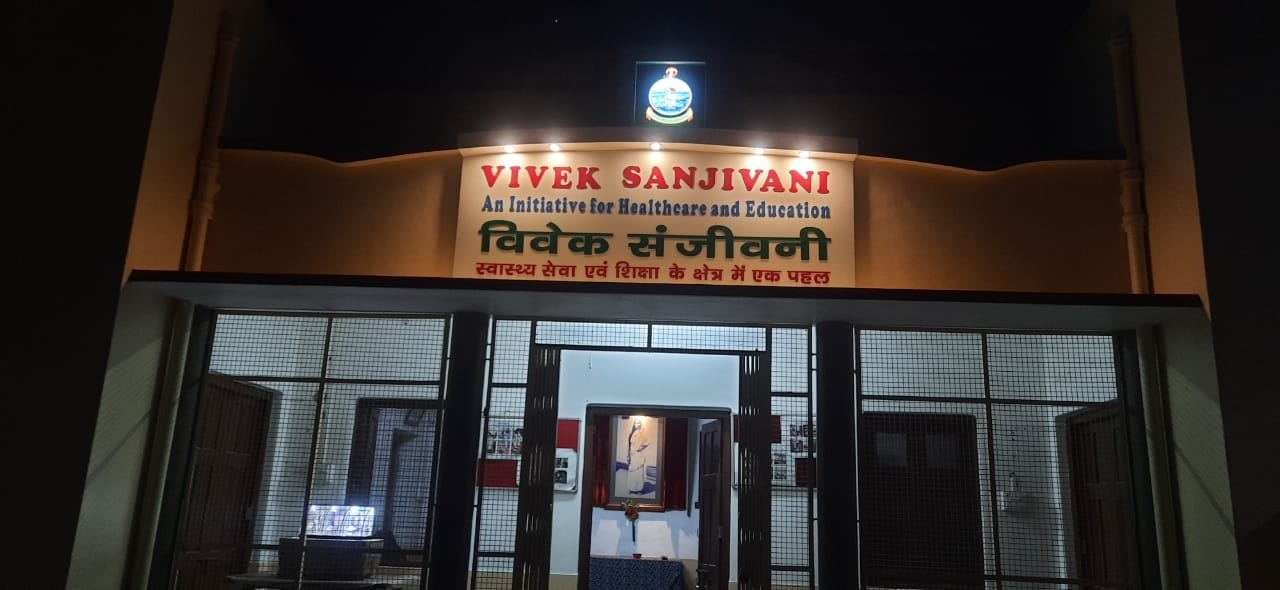
VIVEK SANJIVANI An Initiative for Healthcare and Education Annual Report 2025-26
|
Vivek Sanjivani: Lighting the Path to Health and Learning
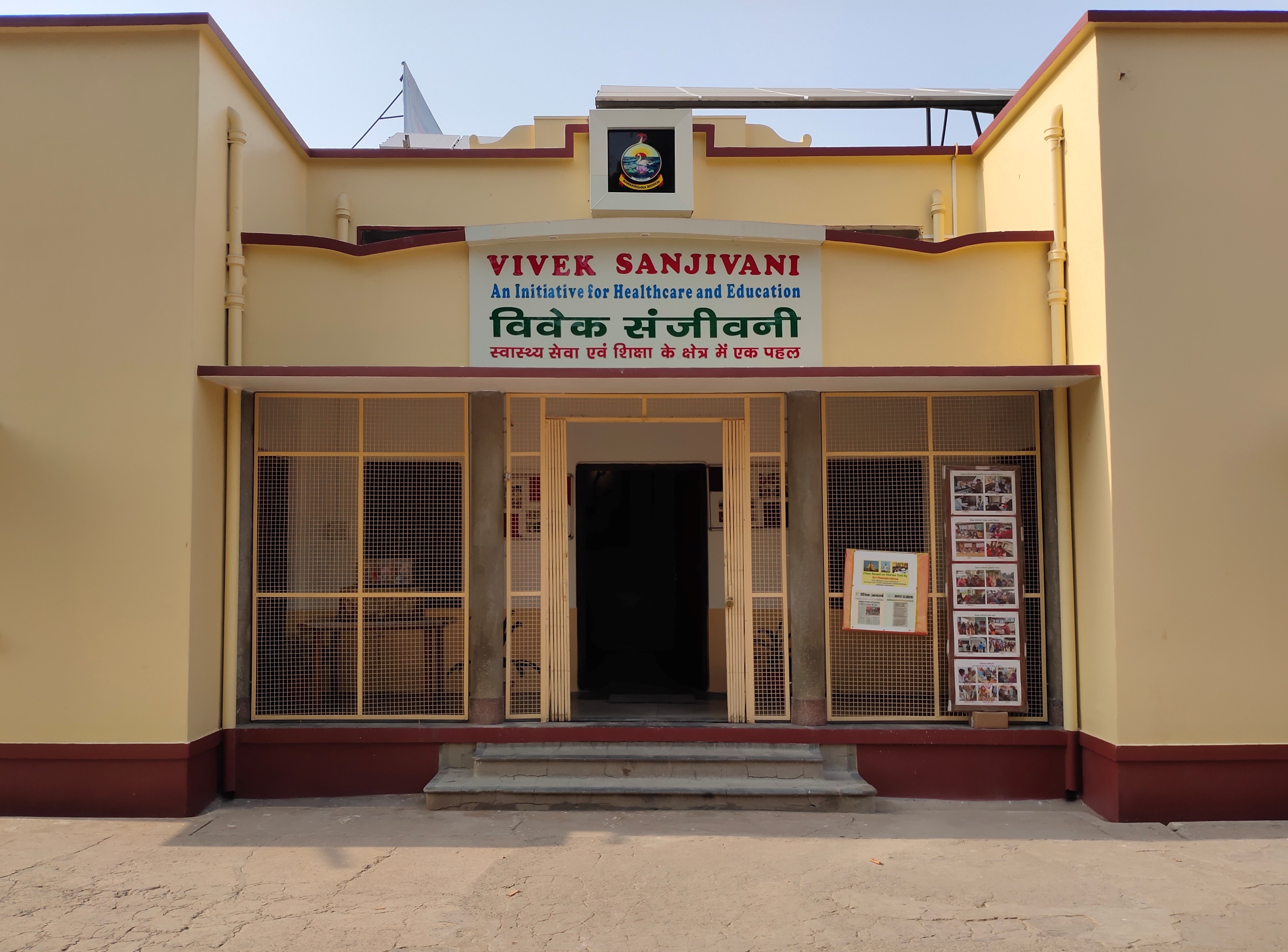
In a world where the gap between privilege and need often feels insurmountable, Vivek Sanjivani stands as a radiant bridge of compassion. Vivek Sanjivani, an initiative by Ramakrishna Mission Home of Service in Luxa, Varanasi, is more than a program—it is a promise of dignity, care, and opportunity.
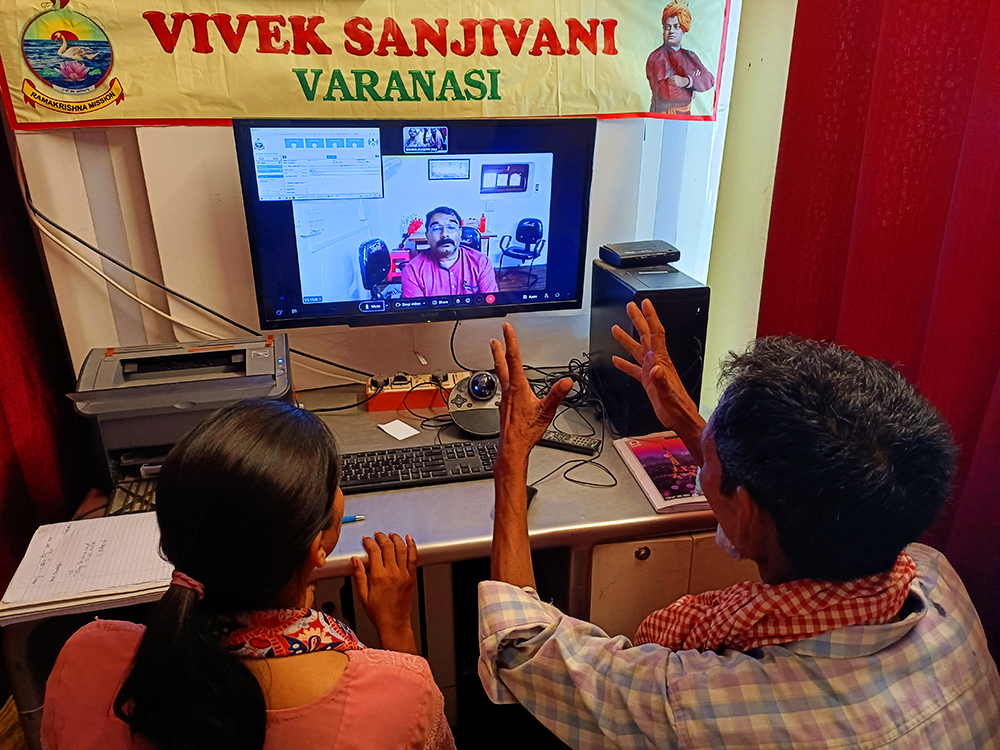
Through its nine telemedicine centres—five Stationary Telemedicine Units and four Mobile Telemedicine Units—Vivek Sanjivani has become a lifeline for those who once stood at the margins of healthcare. These centres are not just clinics; they are sanctuaries where technology and humanity converge.
By harnessing innovation and compassion, the initiative dissolves barriers of geography and poverty. It does more than heal bodies—it restores hope, safeguards futures, and affirms the simple truth that healthcare is not a privilege, but a right.
Vivek Sanjivani is not just treating patients. It is nurturing resilience, empowering communities, and reminding us all that when service meets vision, miracles are possible.
Impact and Outreach during 2025-26:
During the financial year 2025-26, Vivek Sanjivani successfully extended its healthcare services to 67,753 healthcare beneficiaries across six districts, including one aspirational district in Eastern Uttar Pradesh and another in Uttarakhand.
A concise report highlighting the Telemedicine and other Healthcare Services delivered during FY 2025-26:
|
Male |
Female |
Child Male |
Child Female |
Total |
OBC |
SC |
ST |
Minority |
|
29,151 |
35,199 |
1,679 |
1,724 |
67,753 |
25,966 |
26,124 |
851 |
8,270 |
Key achievements include:
- 34,744 patients benefitted from STUs and MTUs.
- 24,848 individuals underwent Non-Communicable Disease Screening (NCDS), with 15,224 women receiving health assessments.
- A total of 8,805 psychiatric consultations were conducted for patients from underprivileged backgrounds, with 90.1% belonging to OBC, SC, ST, and minority communities. These patients were diagnosed with Common Mental Disorders (CMD), Severe Mental Disorders (SMD), and epilepsy. Among them were 3,306 women and 743 children.
- Mental health Disorder Screenings were conducted for 389 beneficiaries.
- Eye care: 257 beneficiaries received support for eye refraction and 3Nethra check up
- 191 women received antenatal care (ANC) to support maternal and child health.
- Nutritional Support: 7,240 children and chronically ill patients were provided with nutritional food supplements, fostering better health and long-term well-being.
A substantial portion of total healthcare beneficiaries belonged to underprivileged backgrounds, with 90.37% hailing from OBC, SC, ST and minority communities, and 51.95% of all beneficiaries being women. The initiative also enabled patients to save approximately ₹600 to ₹1,000 per visit by offering doctor consultations, diagnostic tests, and medicines at no cost or minimal expense.
Commitment to Holistic Well-being:
Vivek Sanjivani offered holistic education to 93 kids throughout the year; Conducted Online Science class for 2,648 students and Online Value Education class for 5,344 students; Basic Computer Knowledge and practical trainings offered to 2,432 students; Through audio-visual health education, 530 villagers including students have been empowered with knowledge on nutrition, hygiene, and disease prevention, leading to healthier lifestyles and proactive self-care; Conducted value education programme for 339 participants, which includes villagers and students; Created Book Banks in Schools and other Institutions with 3,618 books on Science and Value Education.
IEC (Information, Education and Communication) Programme:
An IEC Programme (Information, Education, and Communication) was conducted at our Telemedicine Unit in Hinauta, District Sonbhadra, with 48 participants. Prof. Jayanta Mukherjee, Head of Telemedicine Software Development in the Department of Computer Science and Engineering at IIT Kharagpur, along with his team, was present at the programme.
Vivek Sanjivani Telemedicine Service: Transforming Rural Healthcare
Vivek Sanjivani’s telemedicine initiatives have brought groundbreaking change to rural and underserved communities. The impact has been wide-ranging, touching lives across health, empowerment, and sustainability.
Key Outcomes:
1. Access to Specialists: Rural patients can now consult expert physicians without travelling long distances. Real-time telemedicine ensures timely, high-quality medical advice right at their doorstep.
2. Empowerment of Women and Marginalized Communities: With 51.95% of beneficiaries being women and 90.37% from marginalized groups (OBC, SC, ST, and minorities), the programme has narrowed health disparities and promoted equity.
3. Improved Healthcare Access: Mobile and stationary telemedicine units have removed geographical and financial barriers, delivering free consultations directly to rural households.
4. Financial Relief: Families save ₹600–₹1,000 per visit on Doctor’s consultations, diagnostics, and medicines, easing the burden of healthcare costs.
5. Chronic Disease Management: In 2025–26, 24,848 people were screened for NCDs. Early detection of hypertension, diabetes, oral cancer, and breast cancer has led to better outcomes and fewer complications.
6. Mental Health Support: Psychiatric services reached 8,805 patients, including 3,306 women and 743 children. By addressing Common Mental Disorders (CMD), Severe Mental Disorders (SMD), and epilepsy, the initiative has reduced stigma and raised awareness.
7. Quality Comparable to In-Person Care: Remote consultations consistently deliver accurate diagnoses and effective treatments, matching the reliability of traditional visits.
8. Antenatal care: 191 women received antenatal care, benefiting from monitoring, nutrition guidance, and risk assessments for safer pregnancies.
9. Preventive Health Awareness: Through audio-visual education, 333 villagers—including students—gained knowledge on nutrition, hygiene, and disease prevention, fostering healthier lifestyles.
10. Sustainability with Solar Power: Off-grid solar systems installed in telemedicine hubs and remote centres ensure uninterrupted services while reducing carbon footprints.
In essence, Vivek Sanjivani has redefined rural healthcare by combining technology, inclusivity, and sustainability. It’s not just about treating illness—it’s about empowering communities, saving lives, and building a healthier future.
1. Telemedicine Services: Our real-time telemedicine solution serves as a seamless virtual alternative to in-person doctor visits, enhancing accessibility to quality healthcare—particularly for remote communities and underserved populations in urgent need. By minimizing healthcare costs, reducing time spent traveling, and enabling patients to retain their daily wages, this solution ensures continuous connectivity with medical professionals throughout the year. Its growing potential to revolutionize the healthcare delivery system is particularly impactful in rural areas, fostering greater efficiency and improved patient outcomes.
Stationary Telemedicine Units (STUs) of Vivek Sanjivani
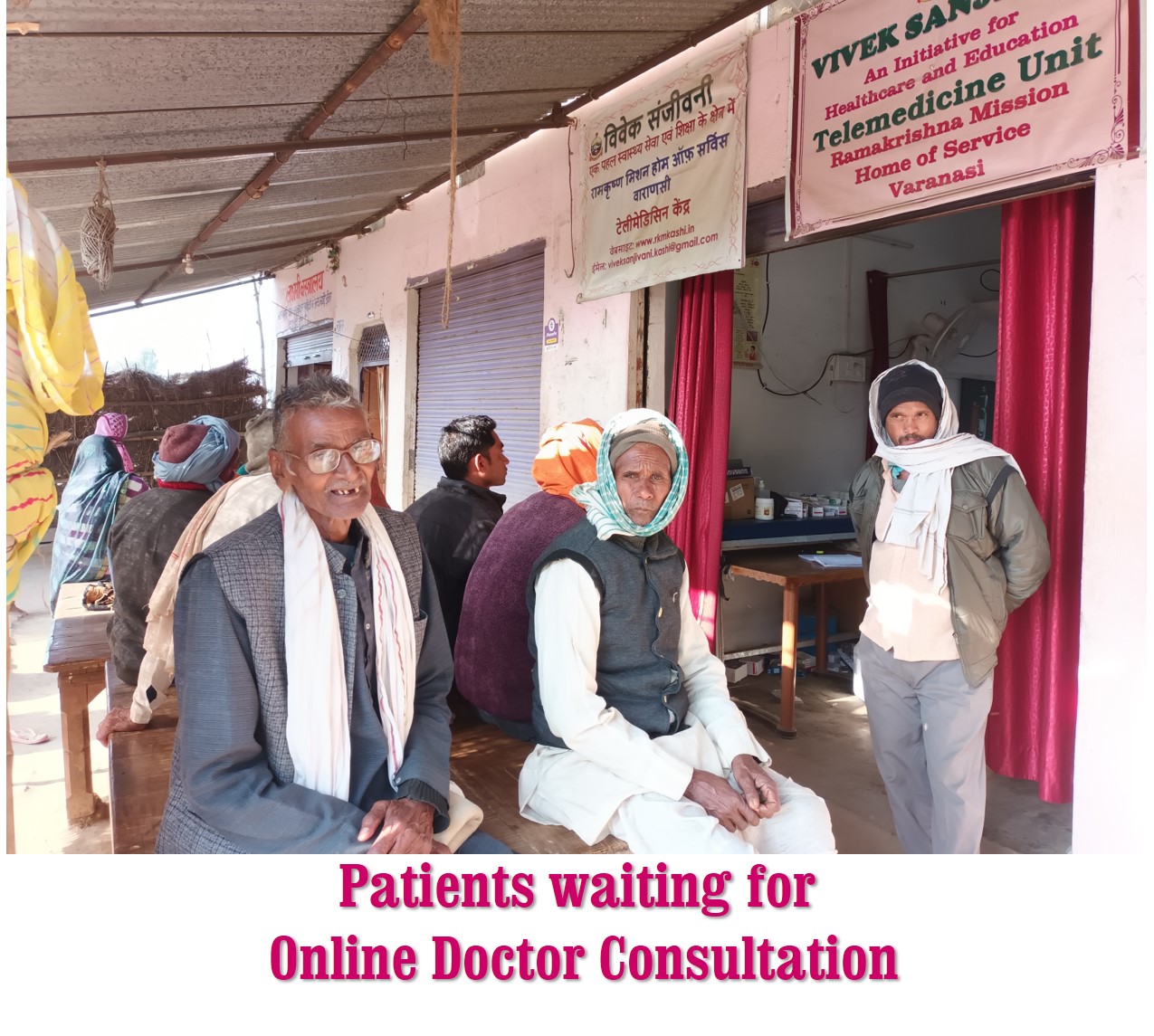
Our Stationary Telemedicine Units (STUs) are more than just a collection of wires and screens—they embody compassion, innovation, and hope in healthcare. Vivek Sanjivani has established five STUs in Uttar Pradesh and Uttarakhand to provide accessible medical care to poor, needy, and underserved communities. These units are located in:
- Majhawan, Kalwari, and Naugawan (district Mirzapur, Uttar Pradesh)
- Hinauta (district Sonbhadra, Uttar Pradesh)
- Bakhpur (district Udham Singh Nagar, Uttarakhand), with two sub-centres
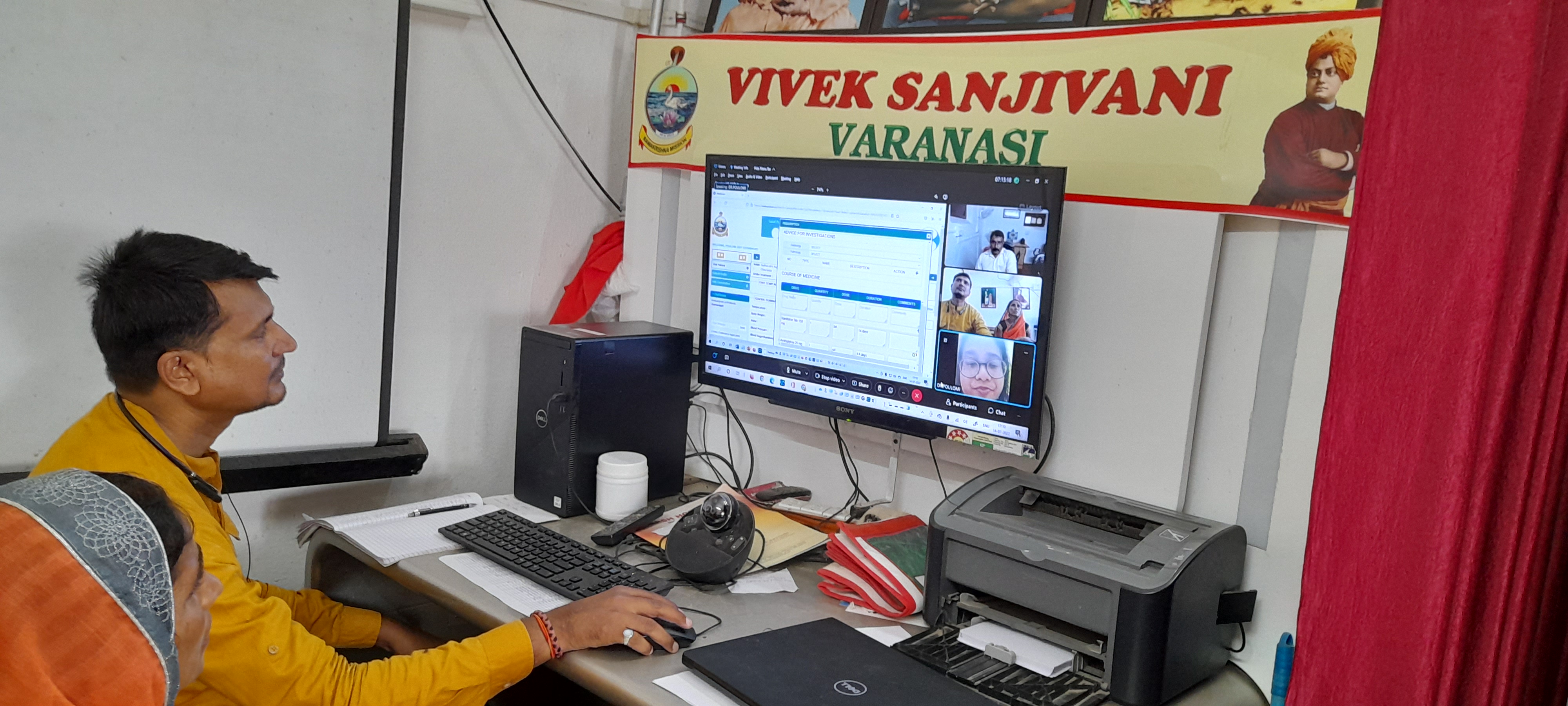
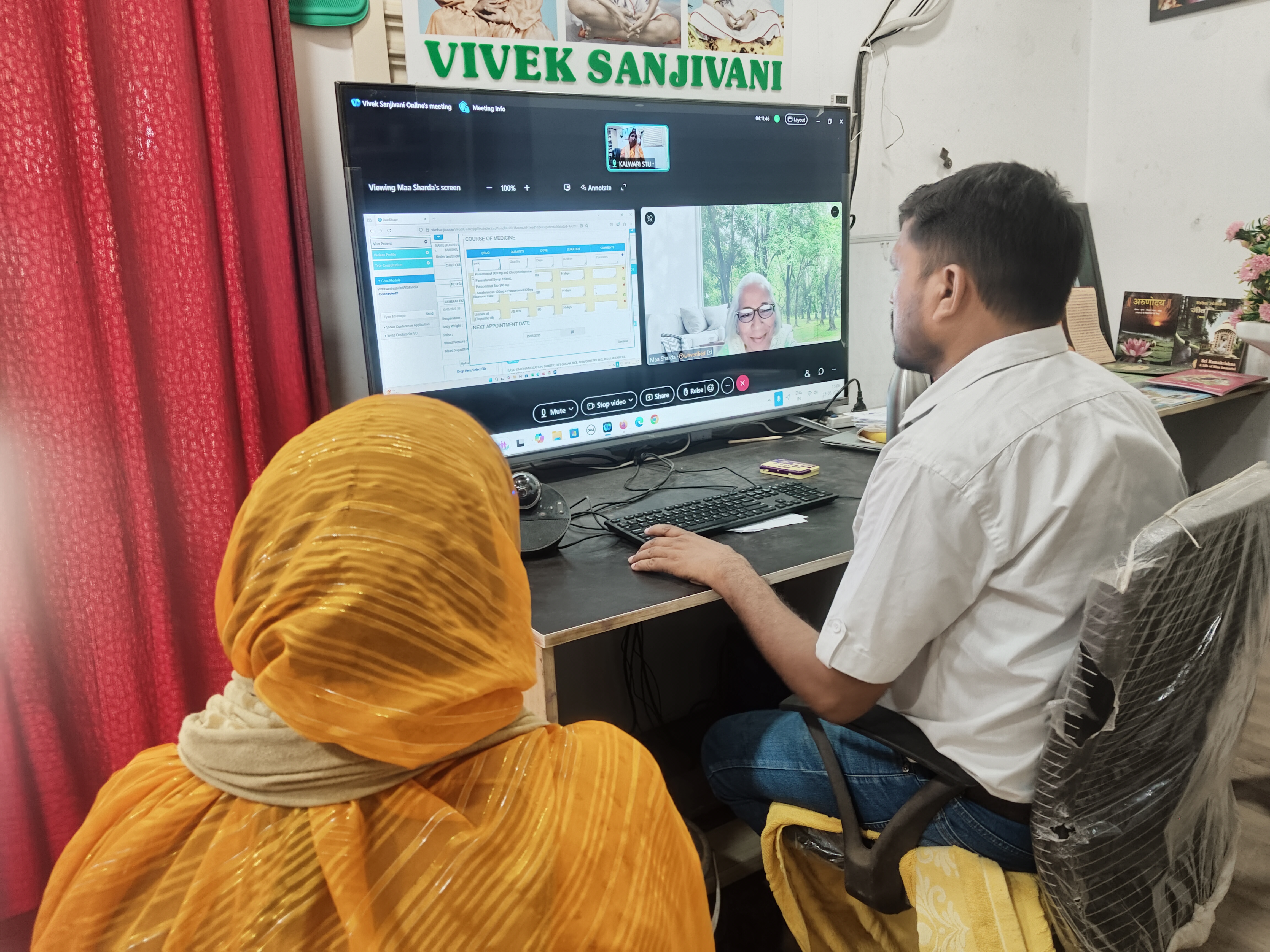
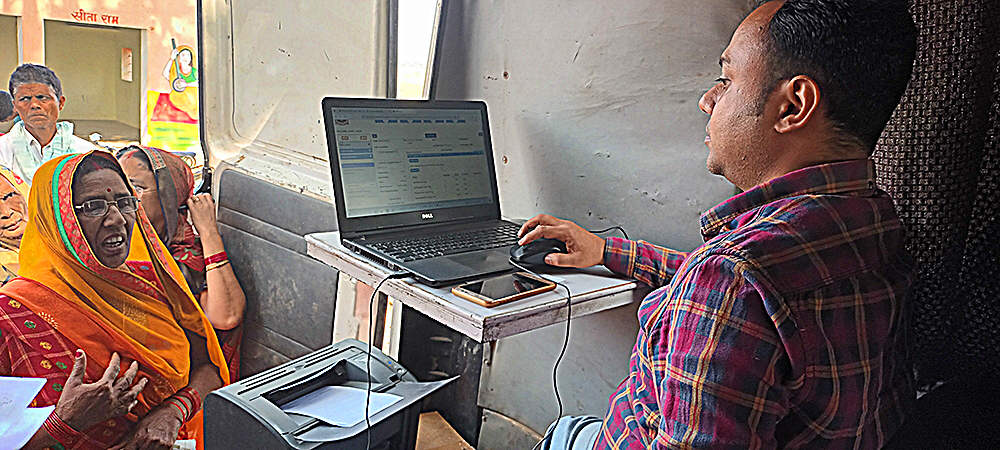
These centres provide telemedicine services three to four days per week on a regular basis, leveraging internet communication and cloud-based real-time software solutions to offer clinical care without requiring an in-person visit.
Bridging Healthcare Gaps with ‘Matri Seva’:
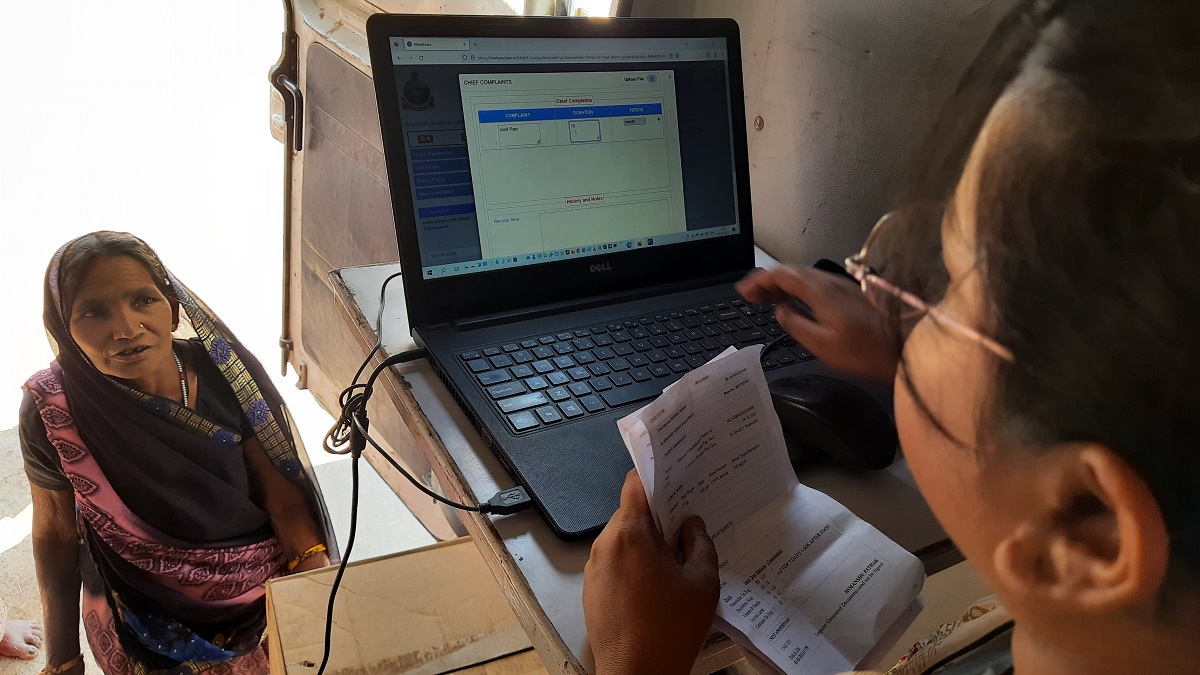
Healthcare should never be a privilege defined by geography. Yet, for millions, the distance between a village and a city hospital can mean the difference between timely treatment and silent suffering. To address this issue, IIT Kharagpur has developed Matri Seva, a telemedicine database software designed to democratize healthcare delivery. This free telemedicine platform is more than software — it’s a bridge. Hosted securely on Microsoft’s cloud, it allows doctors to access patient records instantly and provide consultations without barriers. Whether from the Vivek Sanjivani Hub in Varanasi or from their own homes, physicians in Kolkata, Pune, Bangalore, Anand, Delhi, and even the U.K. are reaching patients who once had no access to specialized care.
Matri Seva represents a transformative step in healthcare delivery. By leveraging innovation and compassion, it extends quality medical care beyond traditional boundaries. More than a software solution, it functions as a lifeline for communities where healthcare access has historically been limited.
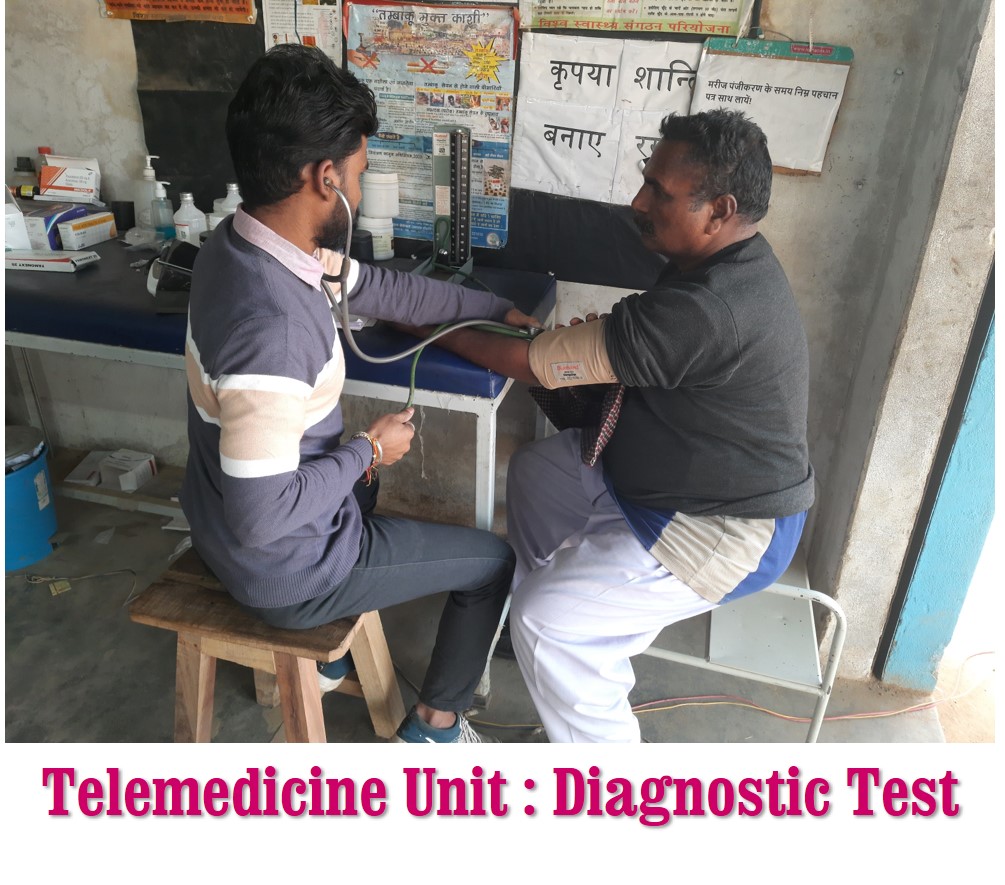
Impact of STUs (April 2025–March 2026): During this period, a total of 25,926 patients received medical care through STUs, all of whom were provided free medicine. Additionally, essential pathological tests, including Blood Pressure checks and Random Blood Sugar (RBS) tests, were conducted for patients above 30 years of age.
Breakdown of Patients Treated in Villages:
|
|
|
|
|
|
|
|
|
||||||||||||||||||||
|
|
|
|
|
|
|
|
|
|
Key Outcomes of STUs for 2025-26:
- 4,211 new patients joined the telemedicine services.
- 21,715 continuing patients received regular telehealth consultations.
- 50.15% of total patients were women.
- 89.89% of patients belonged to OBC, SC, ST, and Minority communities, highlighting the program’s commitment to serving underprivileged populations.
Through Stationary Telemedicine Units (STUs), Vivek Sanjivani continues to transform rural healthcare, ensuring that quality medical care reaches those who need it most.
Specialist Services offered through Telemedicine at the door step of village people: Medicine, Psychiatrist, Gynaecologist, ENT, Urologist, Community Medicine.
Output Analysis: 2025-26: Building a Healthier Future for Rural India
Through cutting-edge telemedicine technology, Vivek Sanjivani is transforming healthcare accessibility, reducing costs, and empowering marginalized communities. With a data-driven approach and compassionate service, we are shaping a healthcare system that truly works for everyone.
Every consultation brings us closer to a healthier, stronger rural India!
Impact Beyond Numbers: This transformative approach is not just about statistics—it’s about lives changed. It signifies greater healthcare accessibility, reduced financial burden, and enhanced mental and maternal health support, creating a healthier, empowered society built on education, care, and sustainability.
2. Mobile Telemedicine Units (MTUs): Health on Wheels:
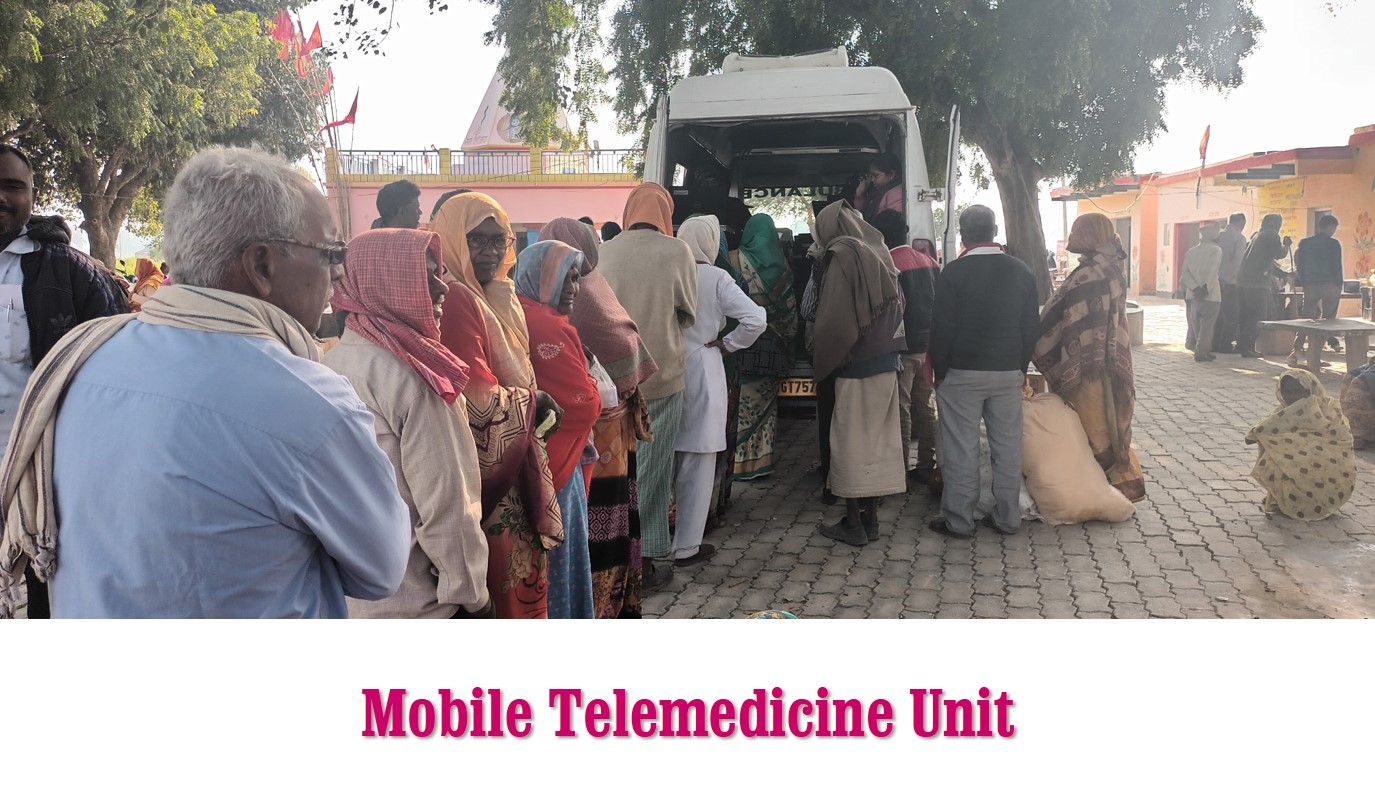
Healthcare is not a luxury—it is a right. Yet in Uttar Pradesh, where Targeted Public Distribution System (TPDS) records show that roughly 40.85% of families are categorized as Below Poverty Line (BPL), access to medical care remains a challenge. That’s where Mobile Telemedicine Units (MTUs) step in. These “clinics on wheels” are rewriting the story of healthcare by driving directly into the heart of underserved communities.
Stationed strategically in Gaura, Manikpur, and Patewar of District Mirzapur, as well as Sarai Rajputani in District Sant Ravidas Nagar, the MTUs deliver screenings, diagnoses, and even specialized consultations to those who might otherwise go without care.
The impact is undeniable. In just one year, 8,818 individuals received treatment—each number representing a life touched, a burden eased, and a future made brighter. These units are more than vehicles; they are lifelines, carrying hope and healing across rural roads.
Total number of patients treated in villages through Mobile Telemedicine Units (MTUs) during April 2025 to March 2026 is given in a table:
|
MTUs |
Male |
Female |
Child Male |
Child Female |
Total |
OBC |
SC |
ST |
Minority |
|
4 |
4,700 |
3,792 |
181 |
145 |
8,818 |
4,064 |
3,284 |
61 |
334 |
3. Launch of Mobile Telemedicine Unit (MTU) in Sant Ravidas Nagar:
Healthcare access remains one of the most pressing challenges in rural Uttar Pradesh. Recognizing this need, Vivek Sanjivani has inaugurated a new Mobile Telemedicine Unit (MTU) at Sarai Rajputani in Sant Ravidas Nagar district (formerly Bhadohi). This initiative marks the district’s first introduction to telemedicine services, designed to bring quality healthcare directly to underserved communities.
Human-Centric Impact: For families who often travel long distances or forego treatment due to financial constraints, the arrival of the MTU is more than a medical service—it is a lifeline. The unit is equipped to provide:
- Screenings for common illnesses and chronic conditions
- Diagnostic services that reduce delays in treatment
- Specialist consultations via telemedicine, connecting rural patients with medical expertise
Each patient who steps into the MTU is not just receiving care—they are reclaiming dignity, hope, and the assurance that their health matters.
4. Non-Communicable Disease Screening (NCDS): Expanding Preventive Healthcare
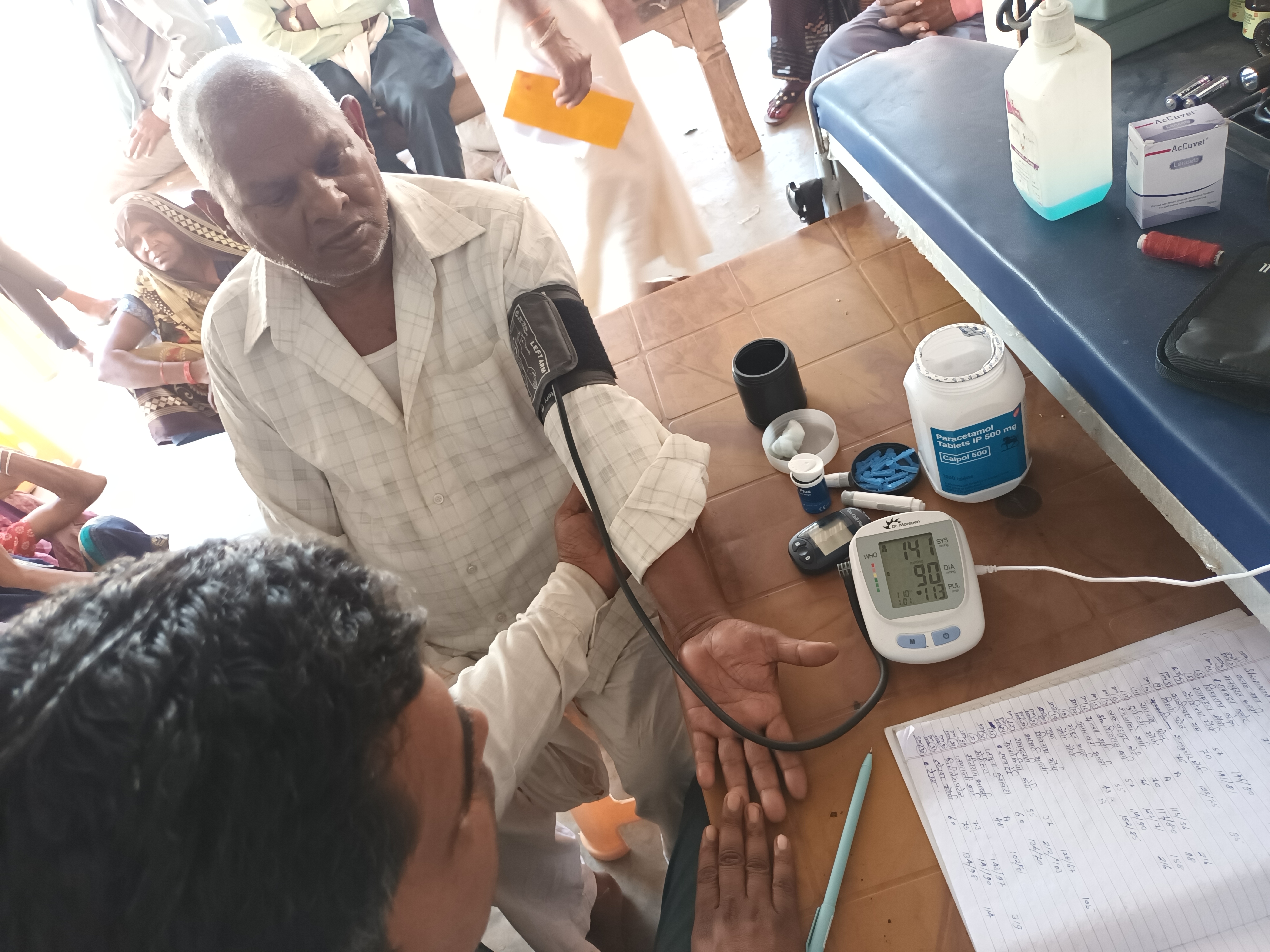
Screenings for Non-Communicable Diseases (NCDs) such as Hypertension (HTN), Diabetes (DM), Oral Cancer (OCE), and Breast Cancer (BCE) were conducted among individuals aged 30 years and above. These screenings were carried out through Stationary Telemedicine Units (STUs) and Mobile Telemedicine Units (MTUs) on the first day of patient registration, with additional screenings taking place directly in villages to ensure broader accessibility.
The total number of screenings conducted from April 2025 to March 2026 is detailed below:
|
Types of NCDS |
Hypertension |
Diabetes |
Breast Cancer |
Oral Cancer |
Total |
|
No. NCD Screening |
8044 |
8023 |
778 |
8003 |
24848 |
By bringing early detection services closer to rural populations, this initiative plays a crucial role in preventing and managing serious health conditions.
5. Mansik Soundarya (मानसिक सौंदर्य) (Community Mental Health Programme):
Mental health is not a privilege—it is a fundamental right. Yet, for many in underprivileged communities, silence and stigma often replace care and compassion. Mansik Soundarya was born to change that reality.
Across villages such as Kalwari, Naugawan, Hinauta, Majhawan, Patewar, Manikpur, Gaura, Sarai Rajputani in Uttar Pradesh and Bakhpur in Uttarakhand, hundreds of individuals struggling with mental and neurological conditions found a place of healing. Here, treatment is not just about medicine—it is about dignity, empowerment, and hope.
In 2025–26, our programme reached 8,805 patients. Each number represents a person who walked through our doors carrying the weight of depression, anxiety, psychosis, epilepsy, or other conditions—and left with care, understanding, and a path forward. Our reach was inclusive and equitable: 2,582 OBC, 3,716 SC, 193 ST, and 1,443 minority patients were served.
Beyond clinical care, our mission is to heal with compassion, empower with resilience, and uplift by breaking stigma. Mansik Soundarya is more than a programme—it is a movement to restore dignity, reshape futures, and ensure that mental health belongs to everyone.
6. Eye care: A total of 257 patients underwent eye testing during this period. Among them, 257 cases were assessed through eye refraction testing, detecting cataract, dimness, near vision issues, and other concerns. The prevalence of cataract cases alone reached 19 individuals, emphasizing the need for timely treatment and awareness. Additionally, issues related to dimness and near vision were identified in multiple patients, affecting their ability to perform daily tasks efficiently.
7. Distribution of Nutritional Food Supplements
Malnutrition remains a formidable challenge affecting vulnerable populations, particularly pregnant and lactating mothers, young children, and individuals suffering from chronic illnesses. Addressing this pressing issue, a large-scale distribution of nutritional food supplements was carried out to improve dietary intake, enhance immunity, and promote better health outcomes.
7,240 beneficiaries were provided with essential nutritional food items.
- 110 pregnant mothers received 7.2 kg Cashew to support maternal health.
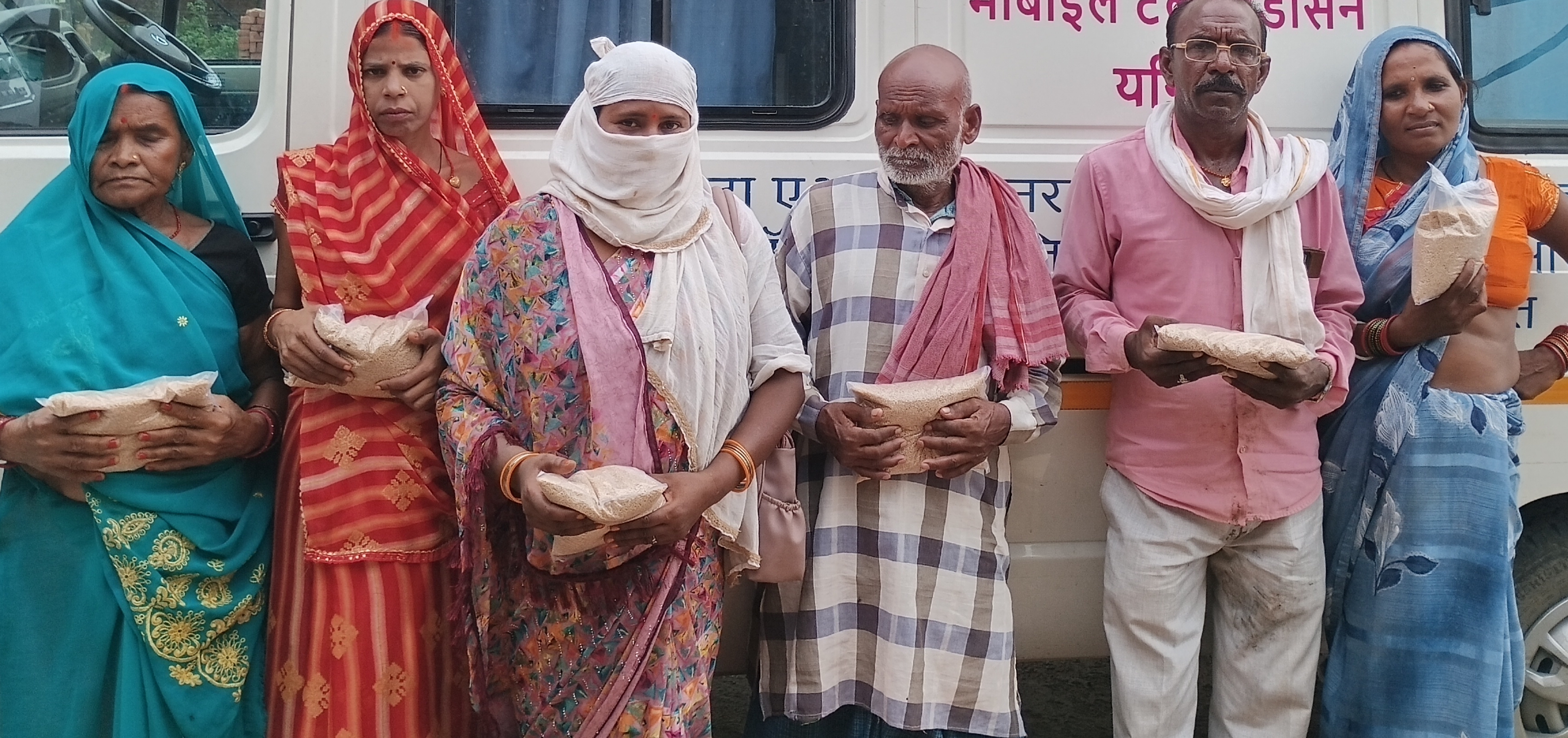
- 5,971 chronic patients were supported with 4,424 kg daliya and 682 kg Soya Bari, ensuring proper dietary intake.
- 1159 children above five years in Mirzapur and Azamgarh districts received 555/721 kg daliya, 227 kg gram, 447.5 kg flattened rice, 66.5 kg groundnut, 103 litres edible oil, 811 litres milk, 317 kg dry fruits/dates, 131.5 kg cashew nut, 1106 packets oat biscuits, and 178.5 kg sweets to enhance their nutrition.
This program plays a crucial role in fighting malnutrition, ensuring sustainable food assistance for those in need. By strengthening such efforts, we move closer to a healthier, well-nourished future for all.
8. Antenatal Care:
Total number of Antenatal Care (ANC) given to 191 ladies. We provided minimum five check-ups in respect to Ante-Natal Care, two Tetanus Toxoid injections, iron tablets with folic acid, calcium tablets, training regarding nursing of infants etc.
9. Gynecare: Our trained women Health Educators and Assistant Health Educators provided 932 women with gynaecological examination and subsequent treatments offered by the doctors.
10. Tuberculosis Patients:
Total 34 patients received free medicine and other Govt. benefits from our department.
11. Promotion of Health Education:
The transformative power of health education lies in its ability to turn awareness into action. Our initiative goes beyond sharing facts—it empowers communities to reclaim control of their well-being.
- Culturally tailored films: Designed for rural audiences, breaking barriers of language and tradition to deliver messages that truly resonate.
- Empathetic messaging: Blending cultural sensitivity with scientific rigor to inspire real, lasting change.
- Community empowerment: Film screenings show that informed communities become architects of their own health destiny.
This initiative is not just about education—it’s about inspiring transformation, fostering resilience, and building healthier communities from the ground up.
Audio-visual programs featured several educational films developed Vivek Sanjivani on health and hygiene, which were screened in different areas and viewed by 530 villagers, including students.
12. Vivek Sanjivani Website:
The Vivek Sanjivani Website is a trilingual educational platform (English, Bangla, Hindi) designed to make learning and cultural heritage accessible to all. It serves as a dynamic academic hub with:
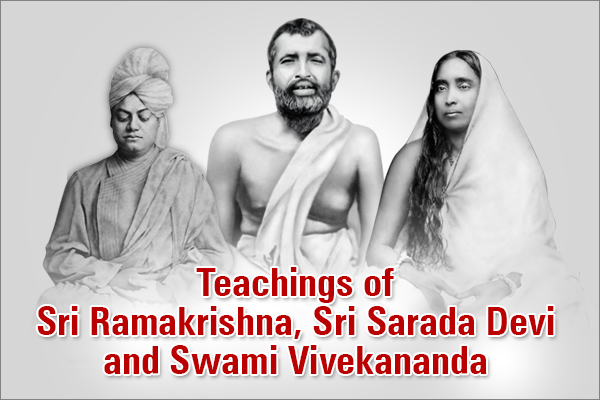
- Online examinations: Practice tests in Science, Mathematics, and literature on Sri Ramakrishna, Ma Sarada, and Swami Vivekananda, encouraging self-assessment and deeper engagement.
- Educational video lessons: Edited clips from Science classes that simplify complex concepts through visual learning.
- Value and Health Education films: Content that instills societal values and promotes well-being, bridging academics with practical life skills.
In short, it’s a digital conduit that combines rigorous academics with cultural and moral education, empowering lifelong learning across languages.
13. Vivek Sanjivani Elibrary Website:
The Vivek Sanjivani eLibrary Website is a digital platform offering readers easy access to authentic, illustrated works on Sri Ramakrishna, Ma Sarada, and Swami Vivekananda.
- Curated books: Illustrated editions enriched with pictures and research insights, making reading both informative and engaging.
- Cross-references: An intuitive system linking related books and articles, simplifying research and deepening understanding.
- Accessible reading: Designed for modern readers who prefer softcopy and online formats, ensuring a pleasurable and immersive experience.
In short, it’s a digital treasure trove that blends timeless wisdom with modern technology, making literature exploration seamless and enriching.
14. Vivek Sanjivani Shiksha: Our computer classes, a critical initiative to minimize the digital divide. These computer classes are more than just lessons in digital literacy; they are gateways to a world of opportunities, enabling rural children to gain essential technological skills and participate fully in our increasingly digital society. 987 boys and 1445 girls received computer training in one of our Rural Telemedicine units.
By focusing on concept-based and technology-enhanced education, Vivek Sanjivani Shiksha is not only addressing academic challenges but also working to close social, regional, and gender gaps. The structure of our programs demonstrates that with innovative teaching methods and a commitment to inclusivity, we can empower every rural child to envision and create a brighter future.
15. Shishu Tirth: Nurturing Young Minds Through Holistic Education:
Shishu Tirth is more than an education programme—it is a lifeline for children from marginalized communities in Rampur (Mirzapur) and Lalganj (Azamgarh). Currently serving 93 young learners, it provides not just lessons but dignity, care, and opportunity.
- Holistic learning: Children are taught in inclusive, child-friendly methods that reflect their rural environment, making education relatable and engaging.
- Beyond academics: Daily nutritional snacks, healthcare, hygiene kits, uniforms, and school bags ensure that learning is supported by physical and emotional well-being.
- Equity in education: By removing financial and geographical barriers, Shishu Tirth ensures every child has access to quality education.
- Community impact: The initiative fosters curiosity, discipline, and resilience, creating ripple effects that strengthen entire villages.
This is not simply a non-formal educational programme—it is a movement toward empowerment. By nurturing young minds with compassion and resources, Shishu Tirth is transforming both children and communities, proving that education is the most powerful tool for change.
16. Jivansudha- Shaping Character, Inspiring Lives:
The Jivansudha- A Value Education Programme by Vivek Sanjivani is dedicated to nurturing young minds with moral and ethical values that shape strong character.
- Visual storytelling: Six films based on Sri Ramakrishna’s stories—five in Hindi and one in Bangla, all dubbed in English—bring timeless wisdom to rural audiences.
- Digital learning: Online classes foster positive thinking, self-awareness, and resilience, guiding students to face life’s challenges with integrity.
- Holistic vision: Through films, multimedia, and interactive sessions, the programme inspires individuals to embody compassion, discipline, and wisdom.
This programme was conducted for 339 participants, including both villagers and students. Online classes were conducted for 5344 students for Awareness about Healthy habits, social value etc. At its core, Jivansudha is shaping destiny by instilling values that go beyond success—creating lives rooted in character and purpose.
17. Creation of Book Banks- Unlocking the Power of Knowledge for Every Child:
Access to books means access to dreams. In schools, where most children come from low-income families, the lack of affordable learning materials has long held students back. Vivek Sanjivani’s Book Banks initiative is changing that reality—placing 3,618 Science and Value Education books directly into classrooms.
By establishing Book Banks in six schools, this effort has already supported 1413 boys, 1403 girls, and 802 teaching and non-teaching staff. The impact is profound: teachers can craft richer lessons, students can explore knowledge freely, and schools can thrive as centres of imagination and discovery.
This is more than a donation—it is a movement toward educational equity. When every child, regardless of background, has the tools to learn, the future becomes limitless. Book Banks are unlocking the power of knowledge for thousands, proving that one idea can transform an entire community.
18. Students’ Orientation Programmes- Shaping Minds, Building Futures: Education is not just about memorizing facts—it’s about shaping disciplined minds, focused learners, and purposeful individuals. That’s the vision behind our Students’ Orientation Programmes, designed to ignite a passion for concept-based learning and equip students for lasting academic growth.
Through carefully structured sessions, 241 students have embarked on this transformational journey. They are learning how to concentrate deeply, refine their study techniques, and embrace a mindset that values understanding over rote learning. The result is not only stronger academic performance but also the clarity and confidence to serve humanity with purpose.
When every student steps forward with sharpened focus and renewed drive, the ripple effect extends far beyond the classroom—building futures, strengthening communities, and unlocking human potential. This is the true power of a well-executed orientation programme.
19. Off-Grid Solar Power System:
Advancing Clean Energy for a Sustainable Future: In a bold step toward environmental responsibility, we have embraced off-grid solar power solutions to significantly reduce carbon footprints and promote sustainable energy. By harnessing the limitless potential of solar energy, we are not only cutting dependence on conventional electricity but also driving a crucial shift toward clean, renewable power in key locations across Uttar Pradesh. We have successfully installed four sets of off-grid solar power systems in vital operational hubs, ensuring uninterrupted energy supply while aligning with global sustainability goals.
20. Distress Relief Works:
During the distribution programmes at Shishu Tirth Centres for Non-formal Primary Education, a total of 1,103 hygiene kits, 1,103 educational items, and 35 sweaters were provided to beneficiaries. This initiative aimed to support the health, learning, and well-being of children enrolled in the centres. During this period, medical assistance was extended to 34,744 patients. In addition, 21 patients were provided with mosquito nets, 6 patients received torches, and 50 elderly persons were supported with essential food items including daliya. These efforts reflect the organization’s commitment to addressing both healthcare needs and basic welfare requirements within the community.


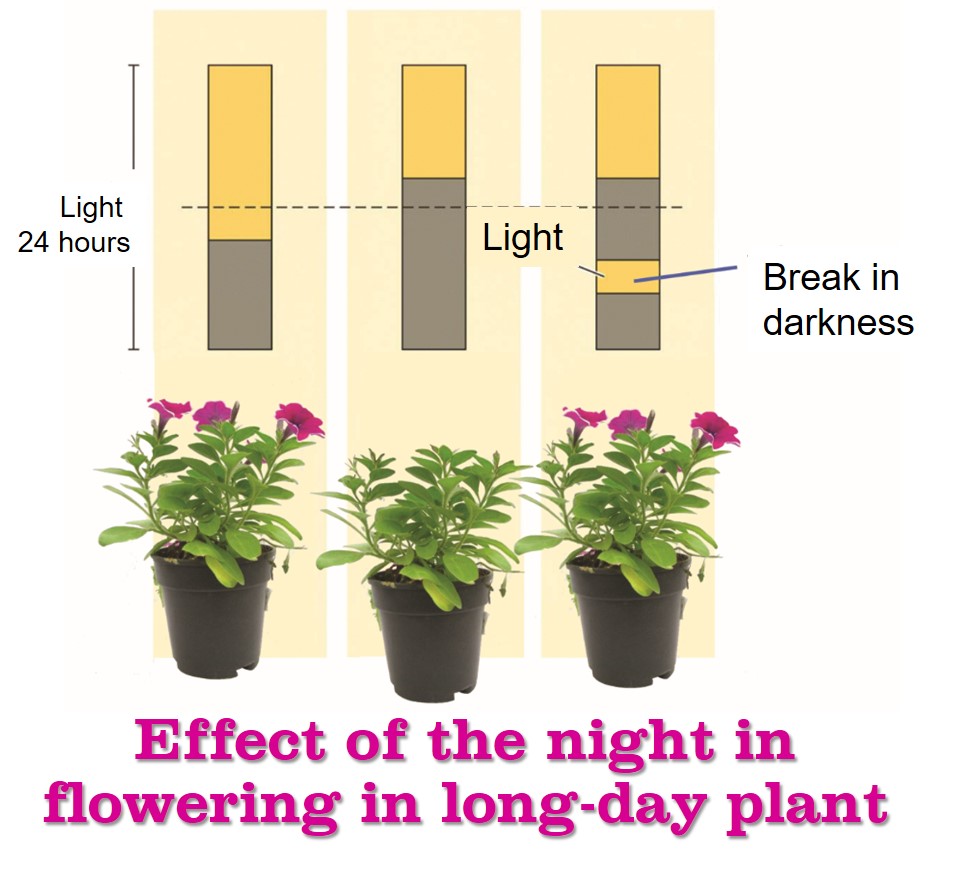
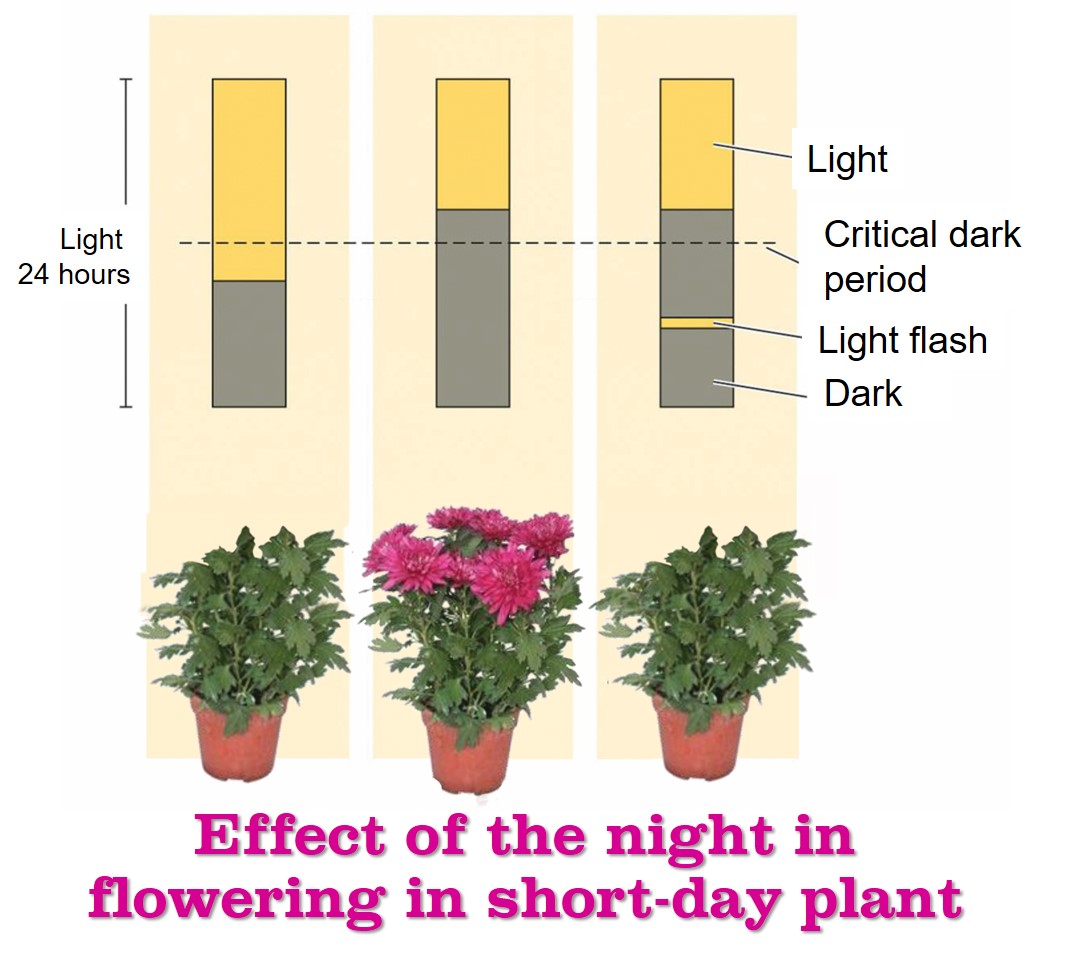
If a long-day plant is kept in any dark place then it is seen that the flowers are not blooming when the night becomes too long. Again, if the light is switched on for a very short time in the middle of the night, the length of the night will be broken. At that time flowers can be seen on the Long-day plants.